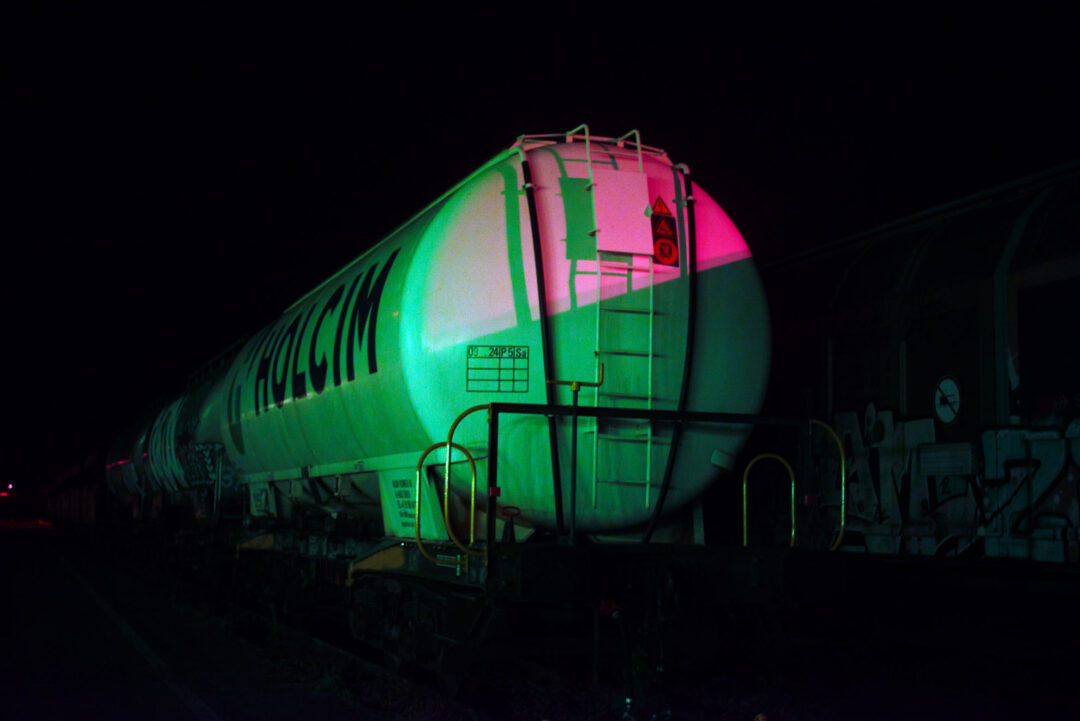
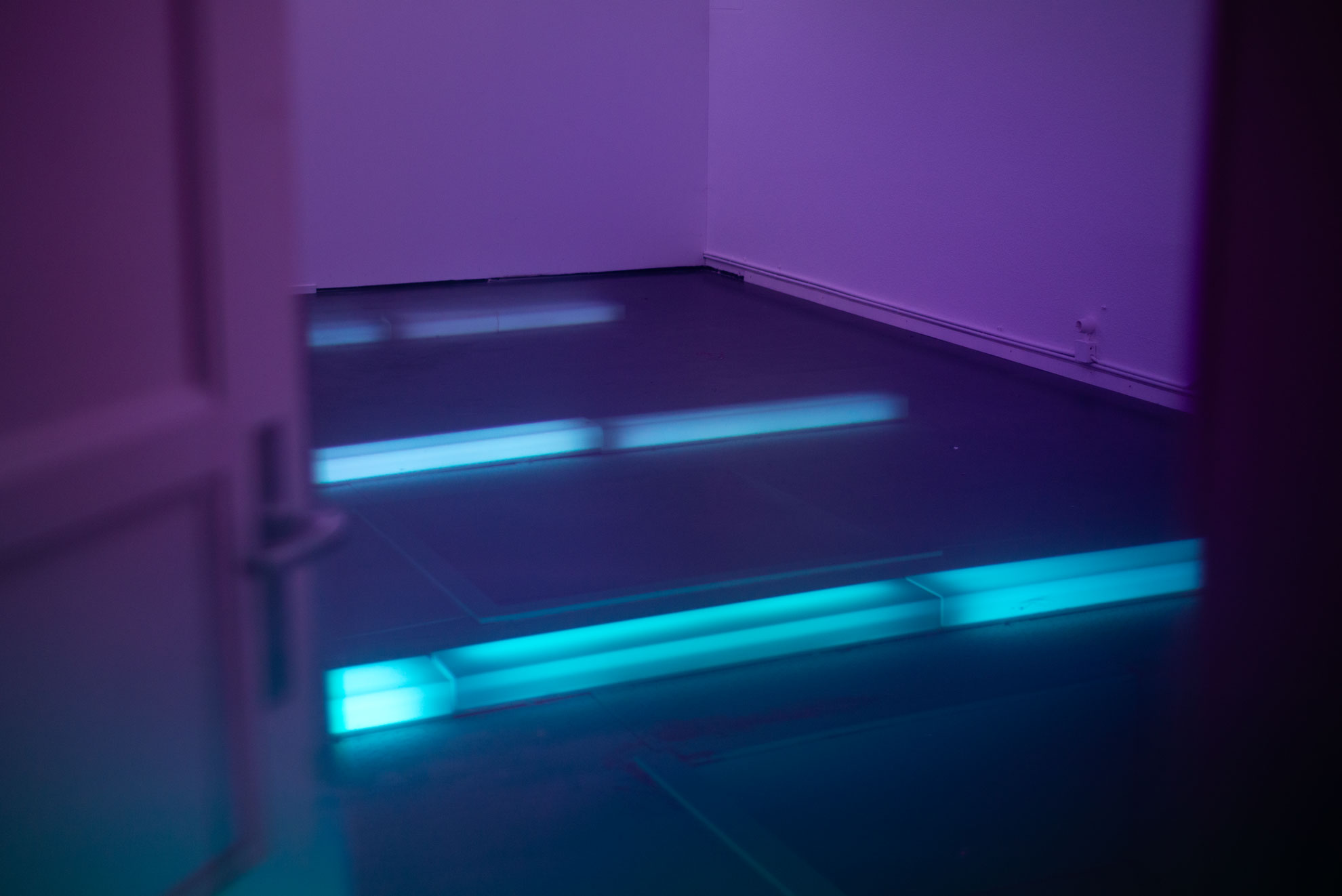
So here’s a post that might not look very exciting at first. The first half feels a bit more like work, but if you scroll down, there’s something genuinely cool waiting.
It’s about notch filters—filters that block a specific range of wavelengths (colors). I recently picked up two: a green notch filter and a red notch filter. The first blocks a large portion of the green spectrum, the second cuts out a big part of the red range.
Anyway. Below are some results from experiments using a few (inefficient) hot mirrors and full spectrum setups. As you’ll see: nothing groundbreaking. This is more for people who are thinking about getting something like this themselves.
And honestly, I’d say it’s not really worth it—at least not if you’re looking to get new, unique false-color imagery, like I was.
(And sorry for the poor image quality with the red notch filter)
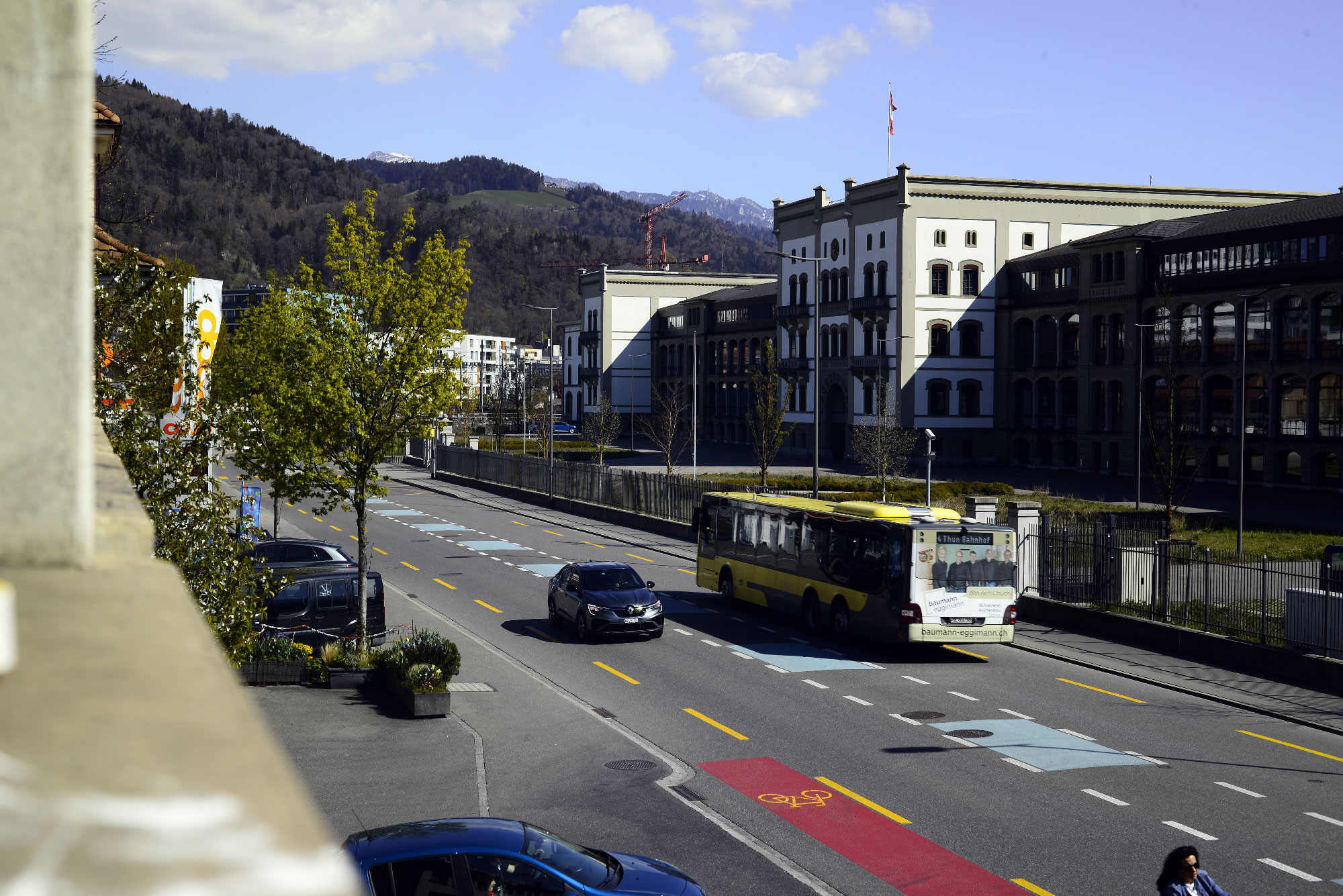
Green Notch:
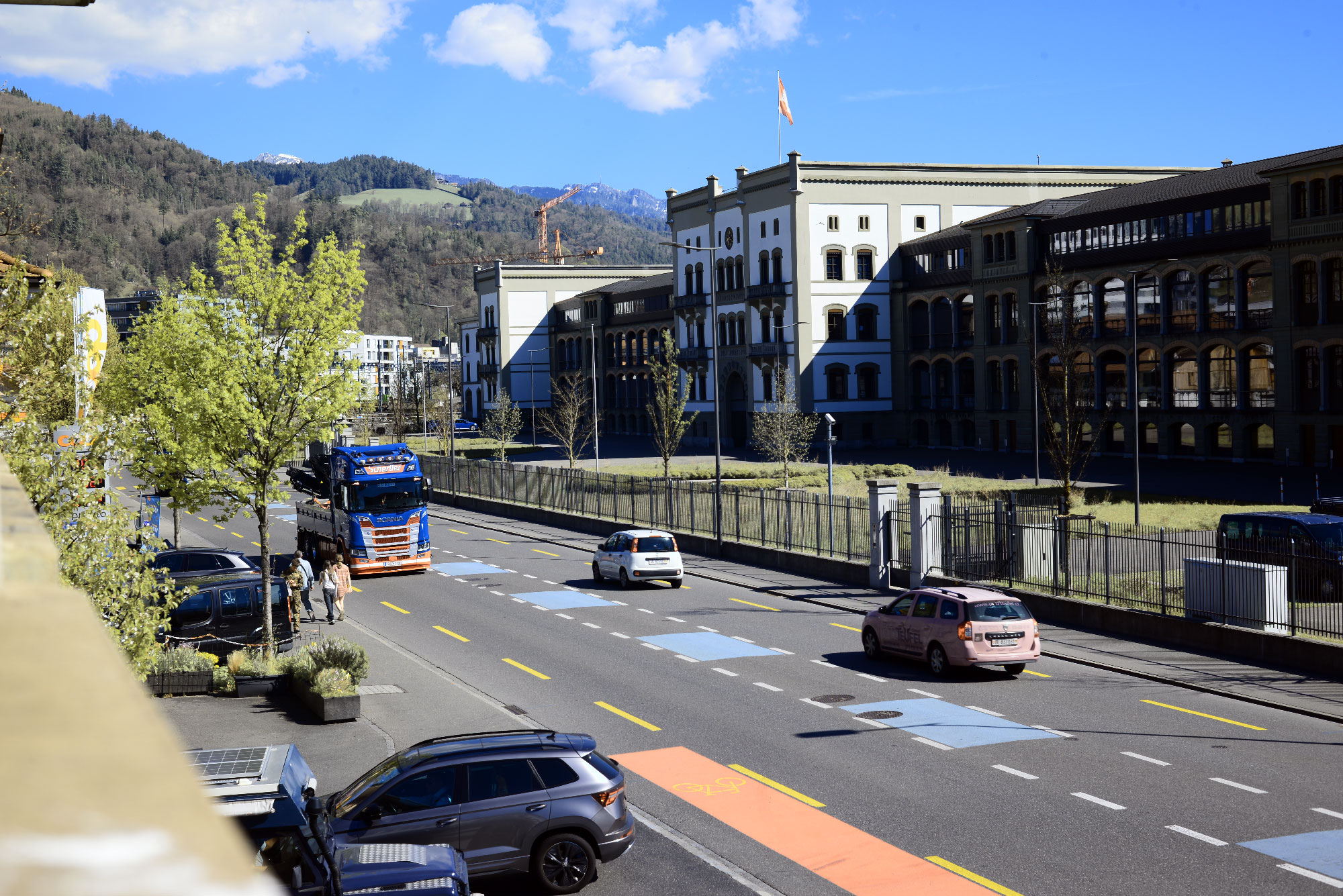
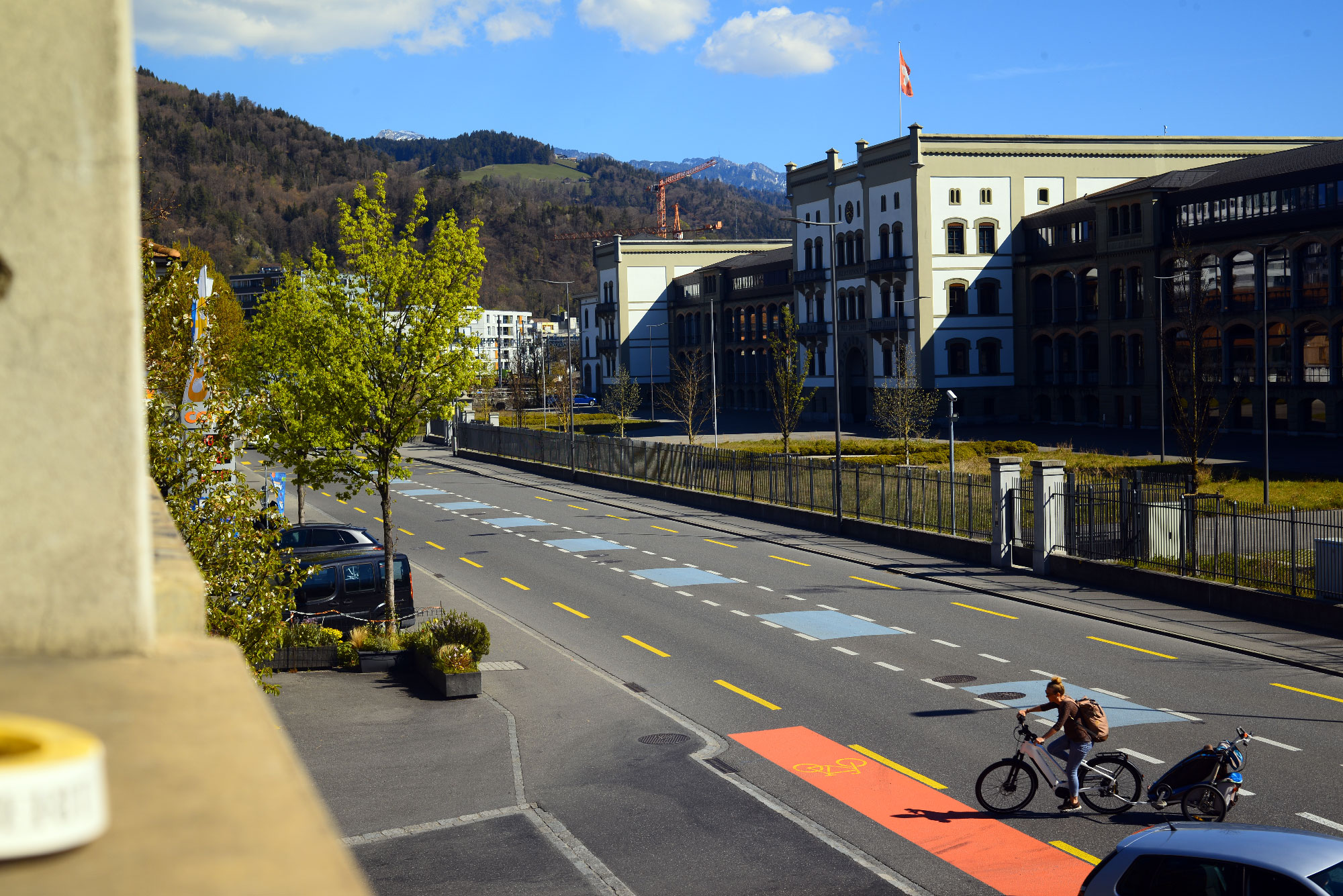
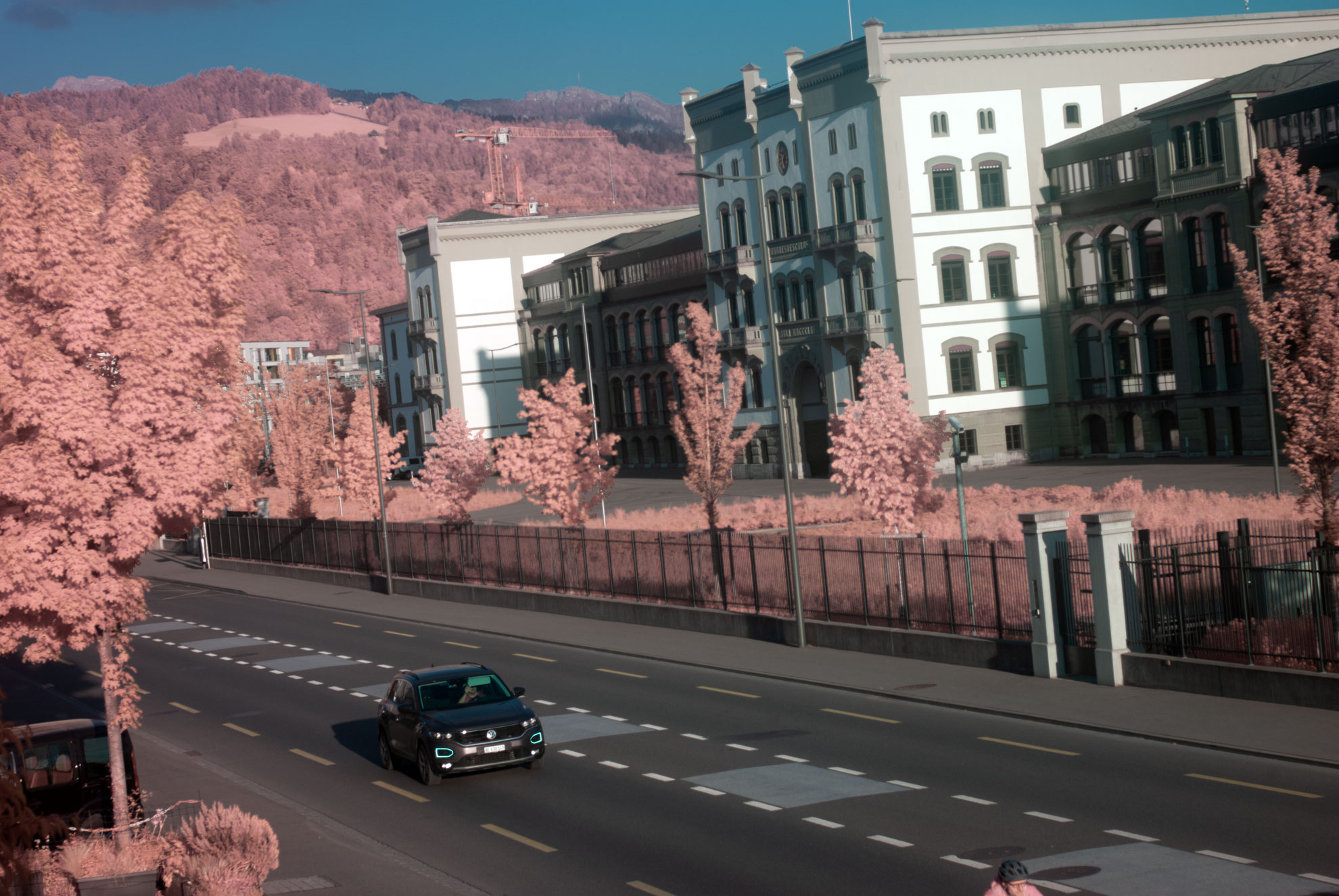
Red Notch:
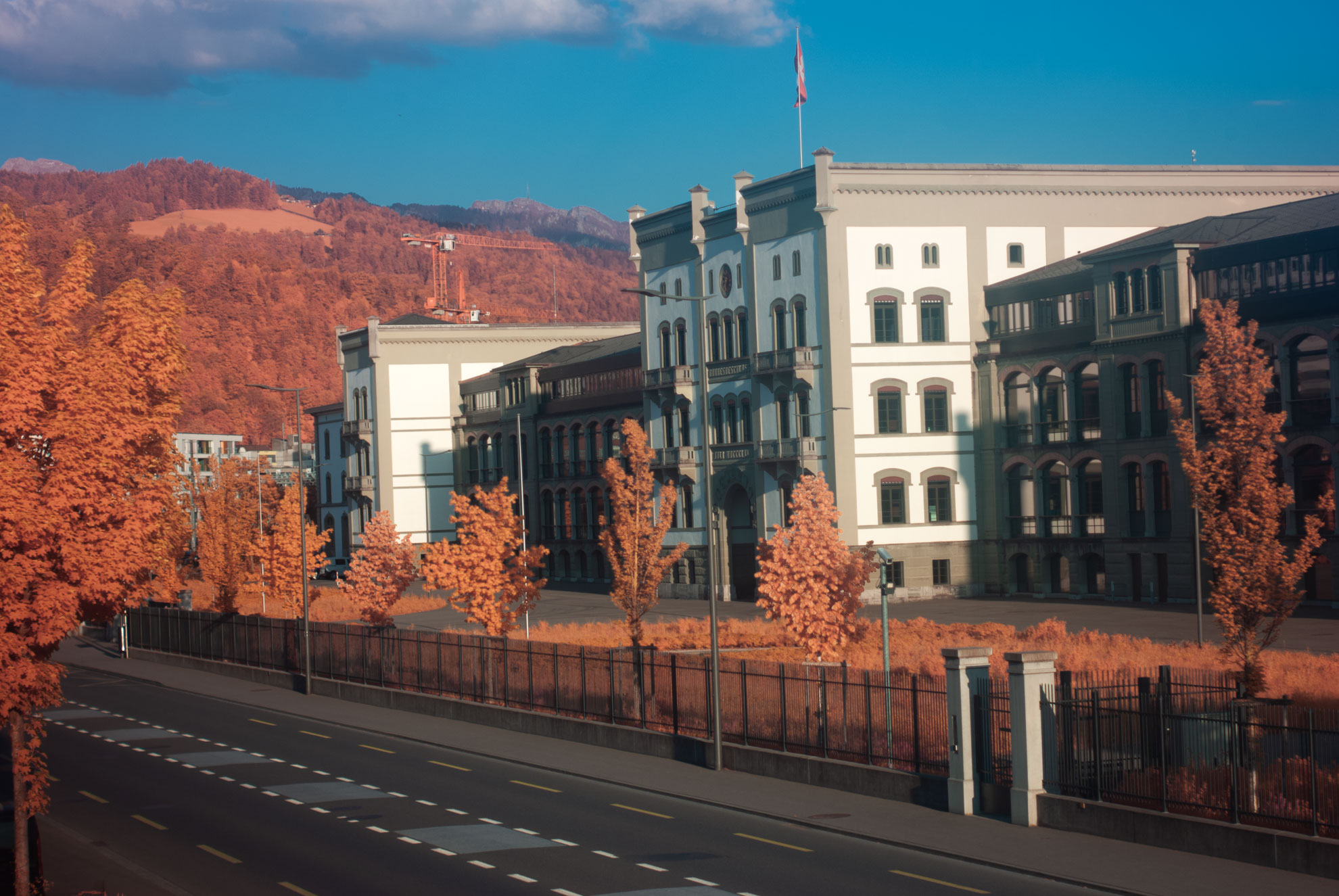
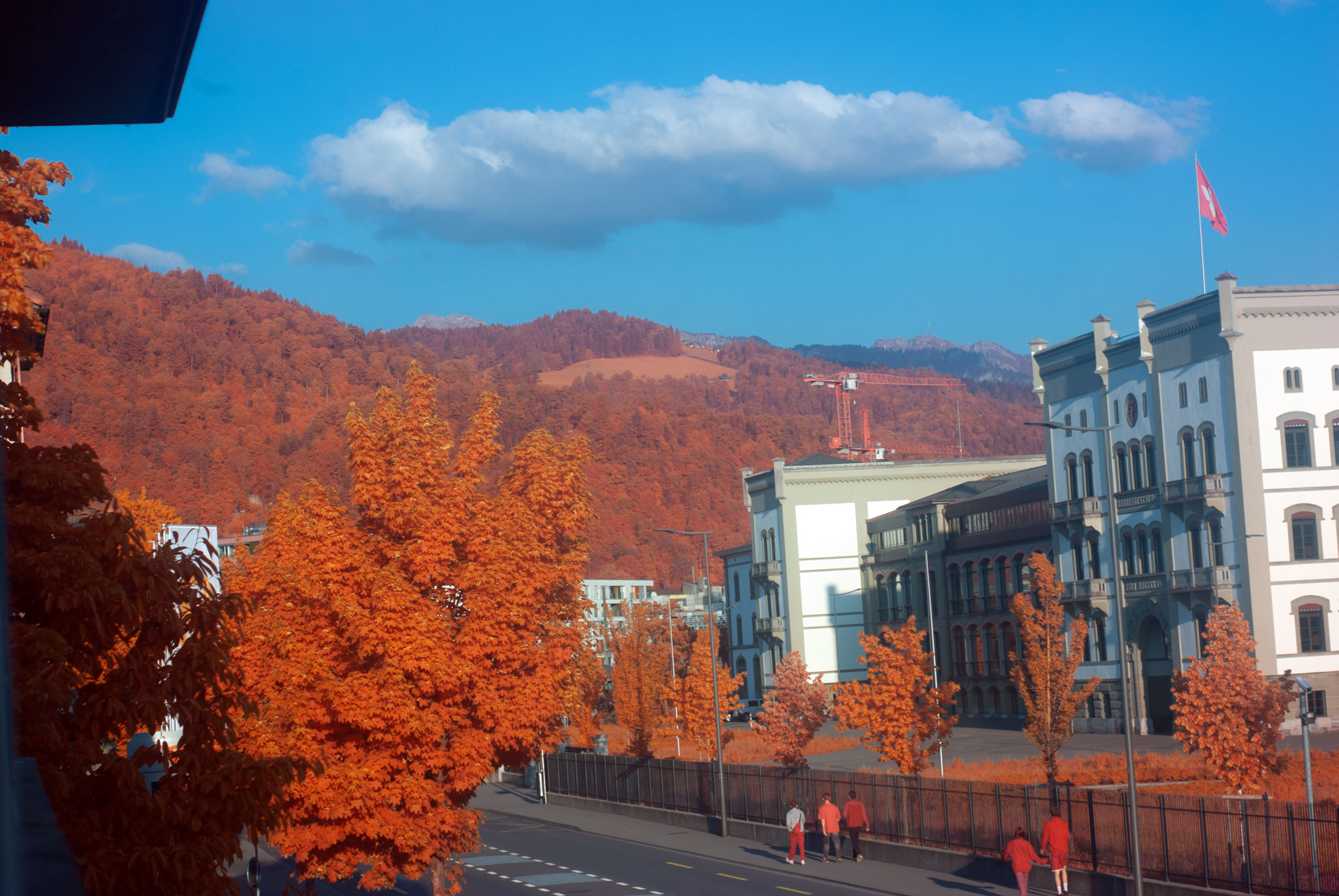
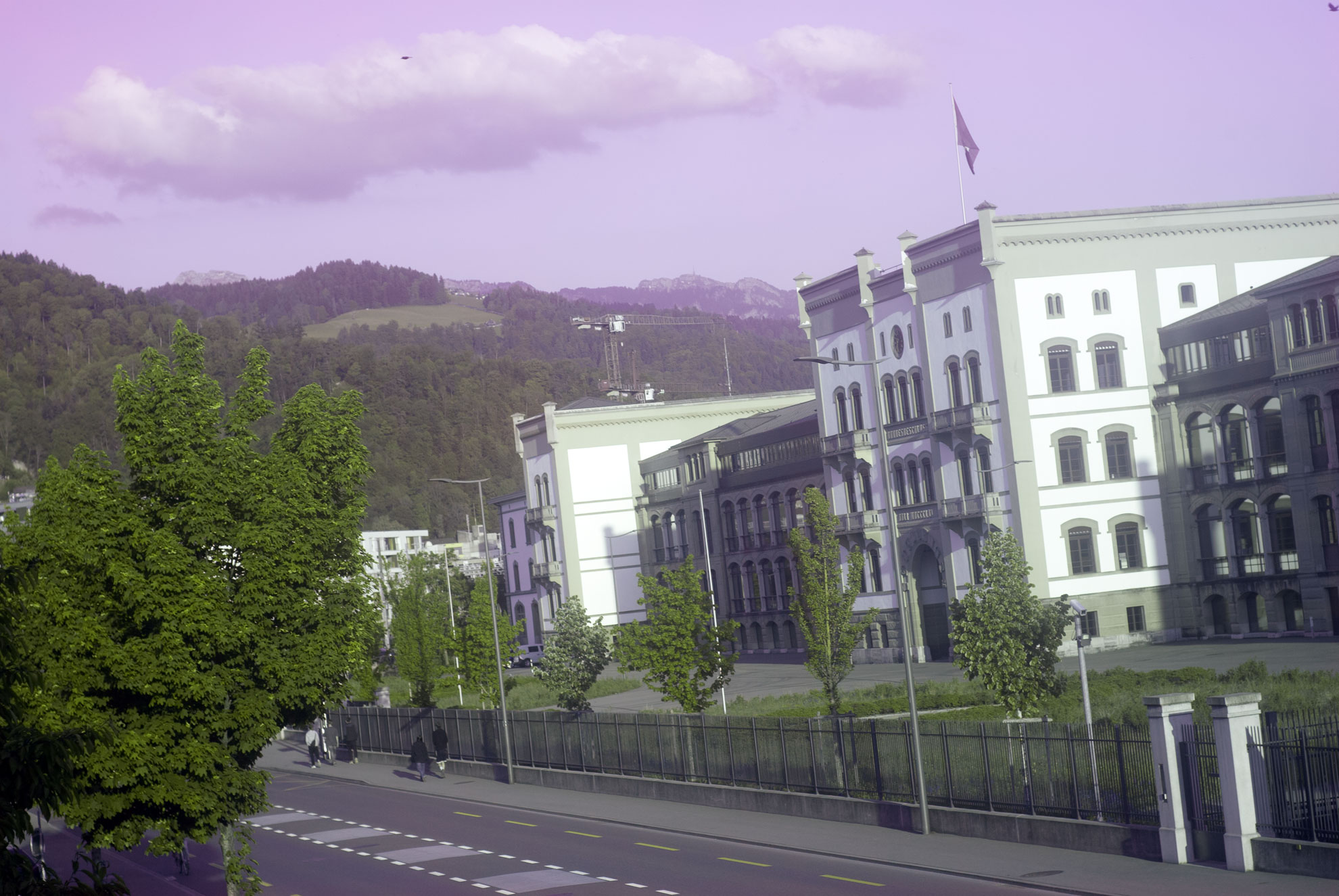
Green Notch + Red Notch:
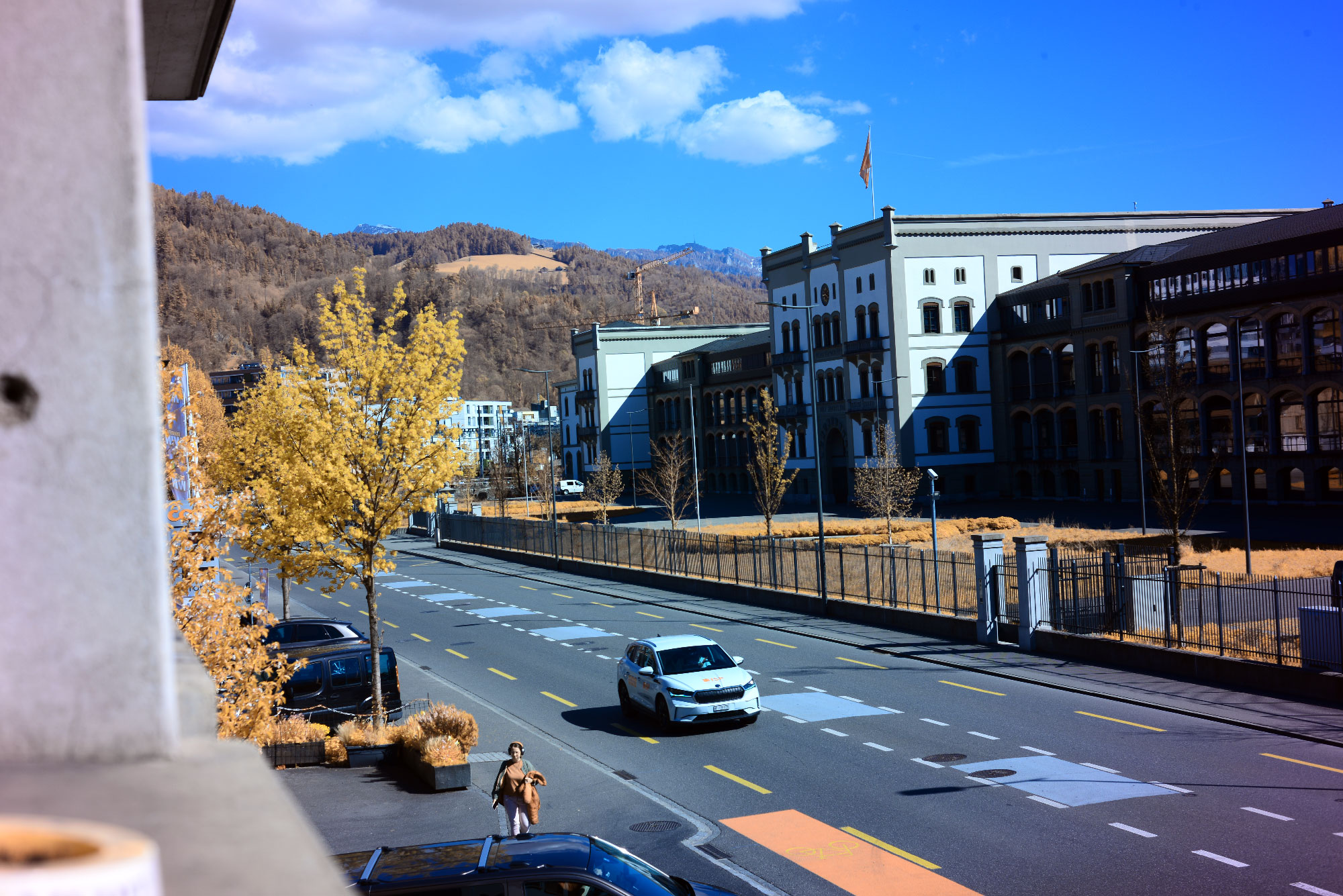
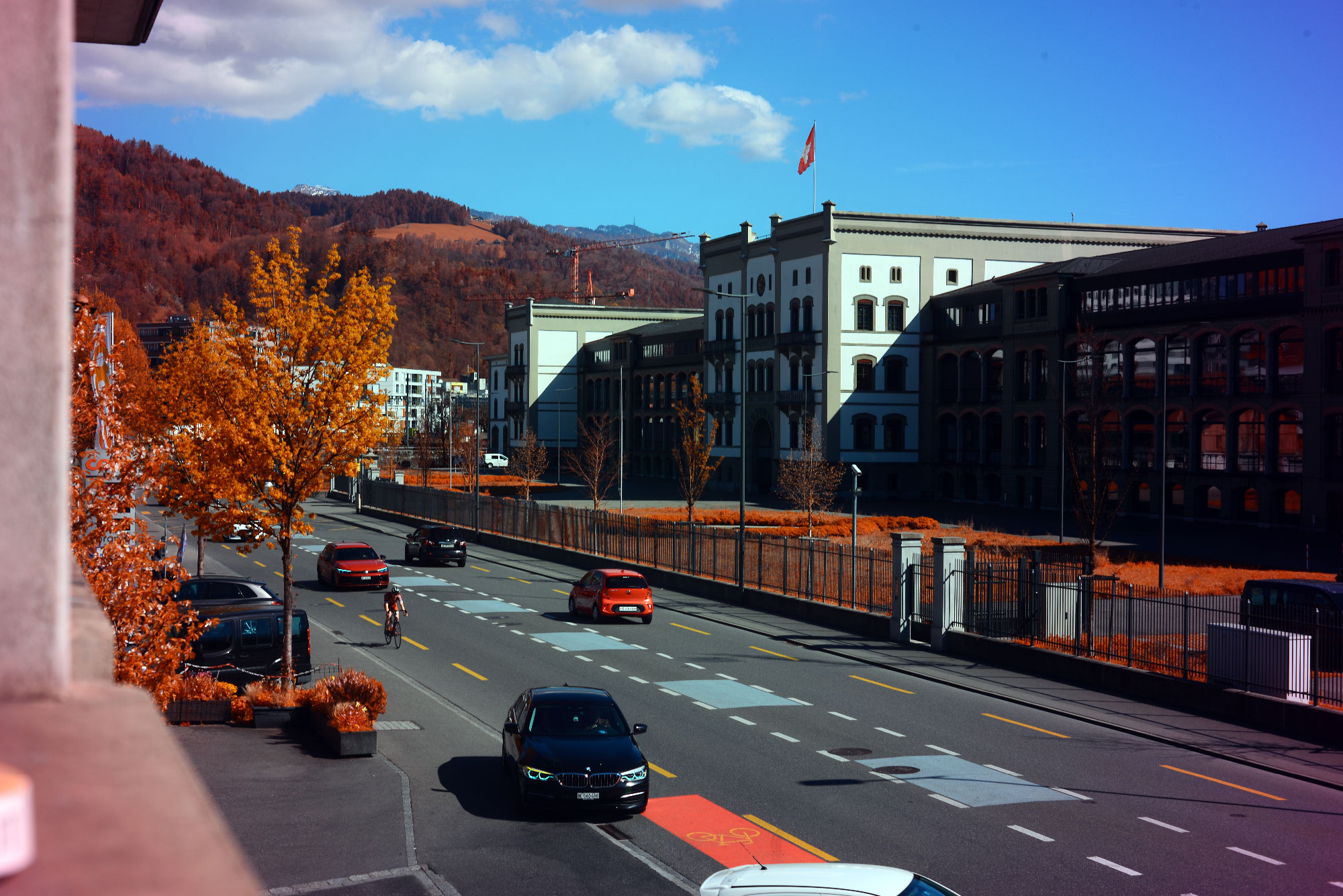
Now it gets more interesting.
In my infinite clumsiness, I dropped the red notch filter and of course it shattered.
Somehow I got the idea to hold the large shard in front of the lens.
I had the 430–512–631TB triple bandpass filter mounted and was in the middle of running experiments for my “Weird Vis” project.
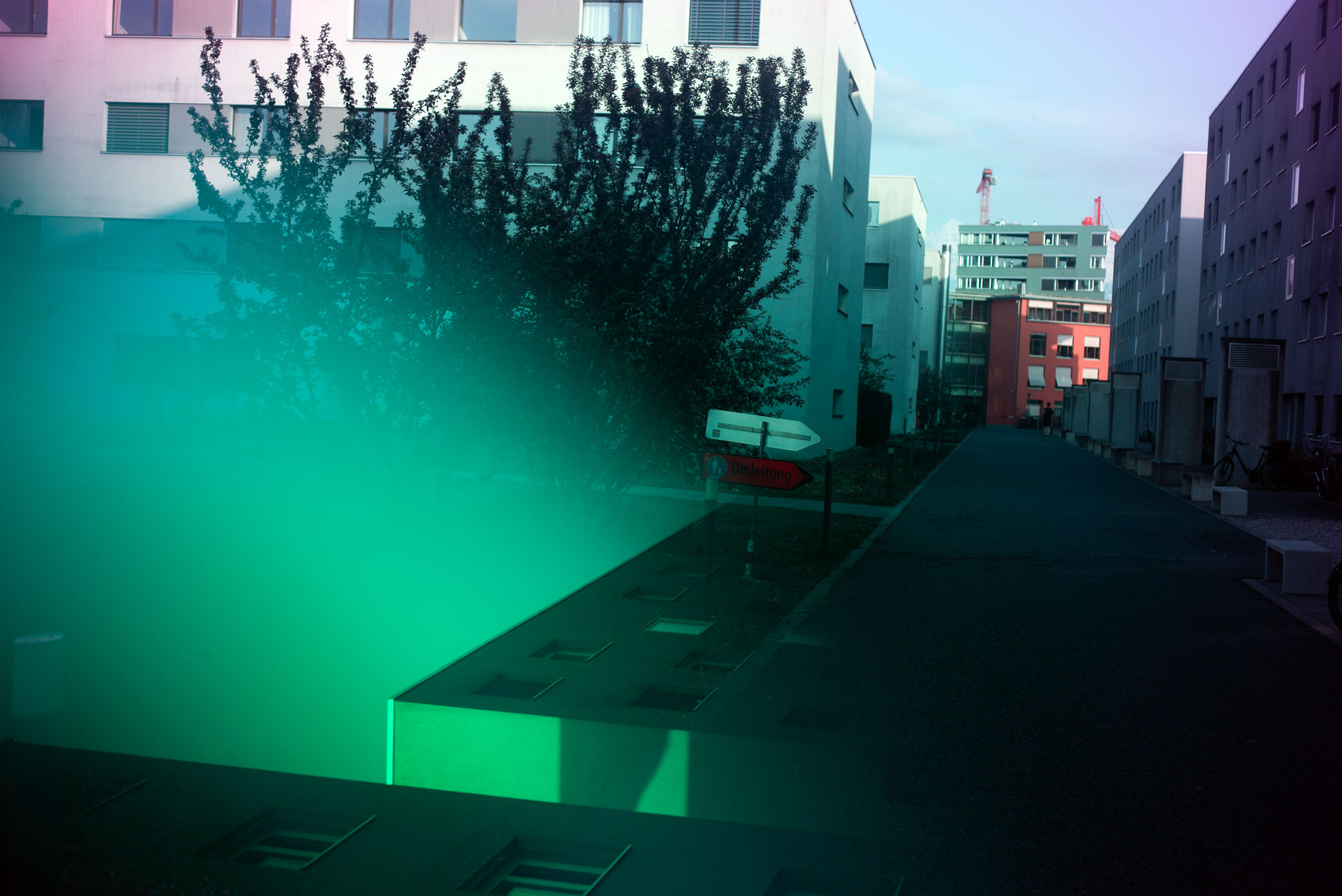
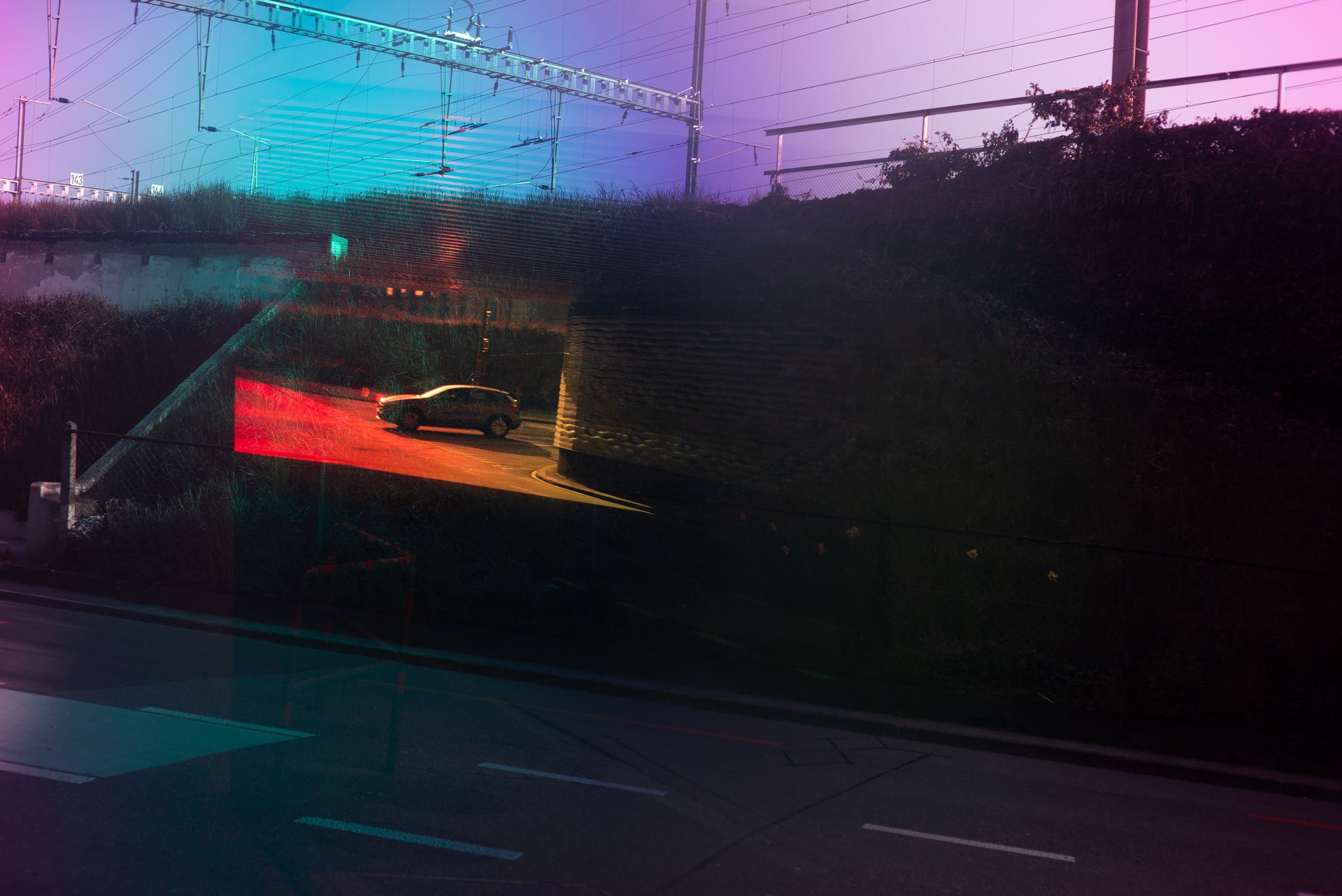
While moving the piece of the red notch filter in front of the lens, I noticed something interesting. It reflects parts of the scene back into the lens, flipped, shifted, and slightly offset. The result looks like a weird double exposure.
I don’t think this has much to do with the filter being broken. It’s more likely because it’s a notch filter.
These filters are designed to strongly reject a specific wavelength range, and to do that they use interference coatings. Those coatings don’t just block light, they also reflect a significant portion of it.
I’m not holding the filter directly in front of the lens, but instead using it to reflect elements from the surroundings, especially lights, into the lens.
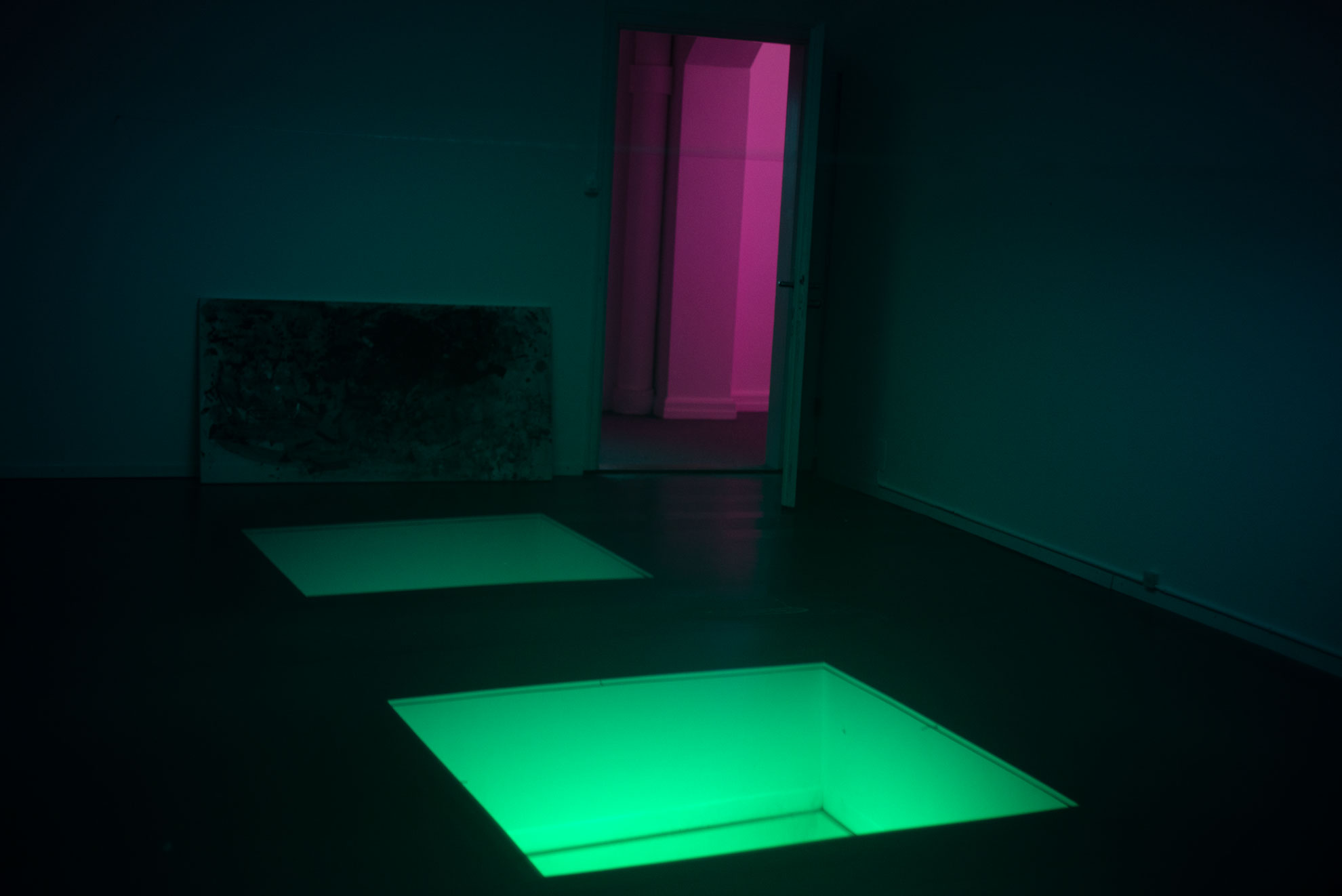
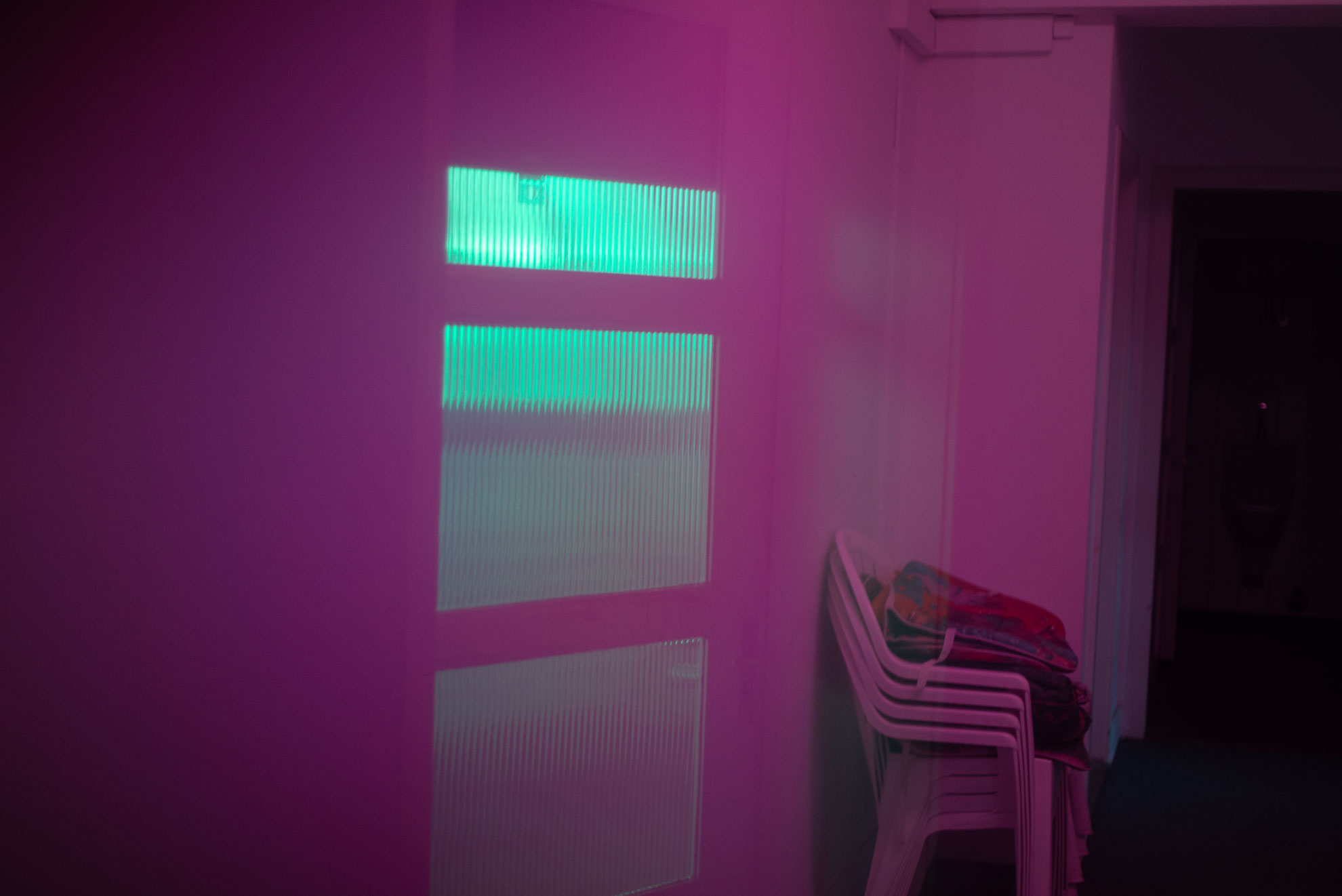
The results are actually pretty cool, and I’ve decided to expand my Weird Vis project in that direction. It works outdoors, but it’s especially a perfect gimmick for indoor spaces.
I think it’s great for liminal spaces, strange portal-like scenes, and generally surreal imagery.
Here are some examples: