We’re right in the middle of the dog days here in Switzerland. Around 30°C inside the studio, probably closer to 40°C out in direct sunlight — definitely too much for my taste.
So what could be better than a refreshing breeze by the river Aare?
I took a short break from the heat and headed out to test a new filter: a quad-band filter that passes blue, green, red, and infrared light around the 820nm range. I’m still at the very beginning of my testing, but I thought I’d share a few first impressions.
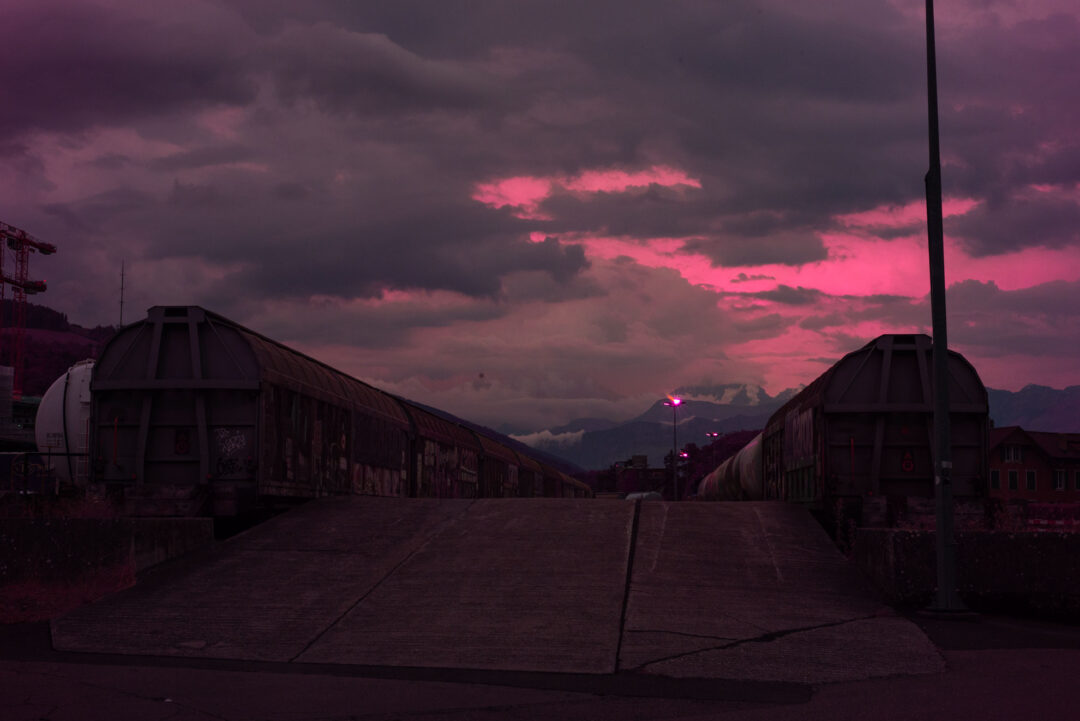
The images shown here were taken with an additional hot mirror filter, meaning only the visible spectrum — blue, green, and red — reaches the sensor. So what’s the point, you might ask?
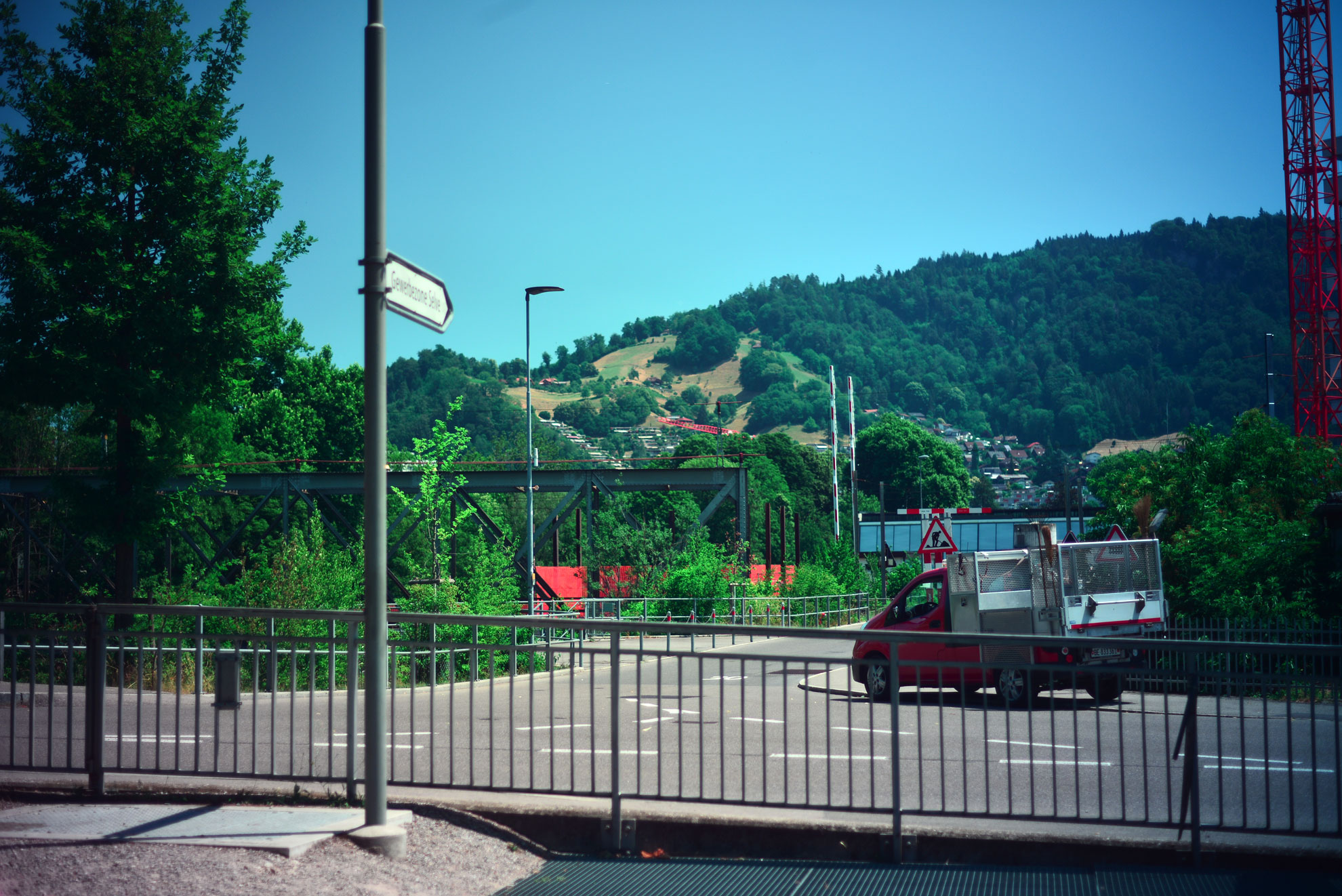
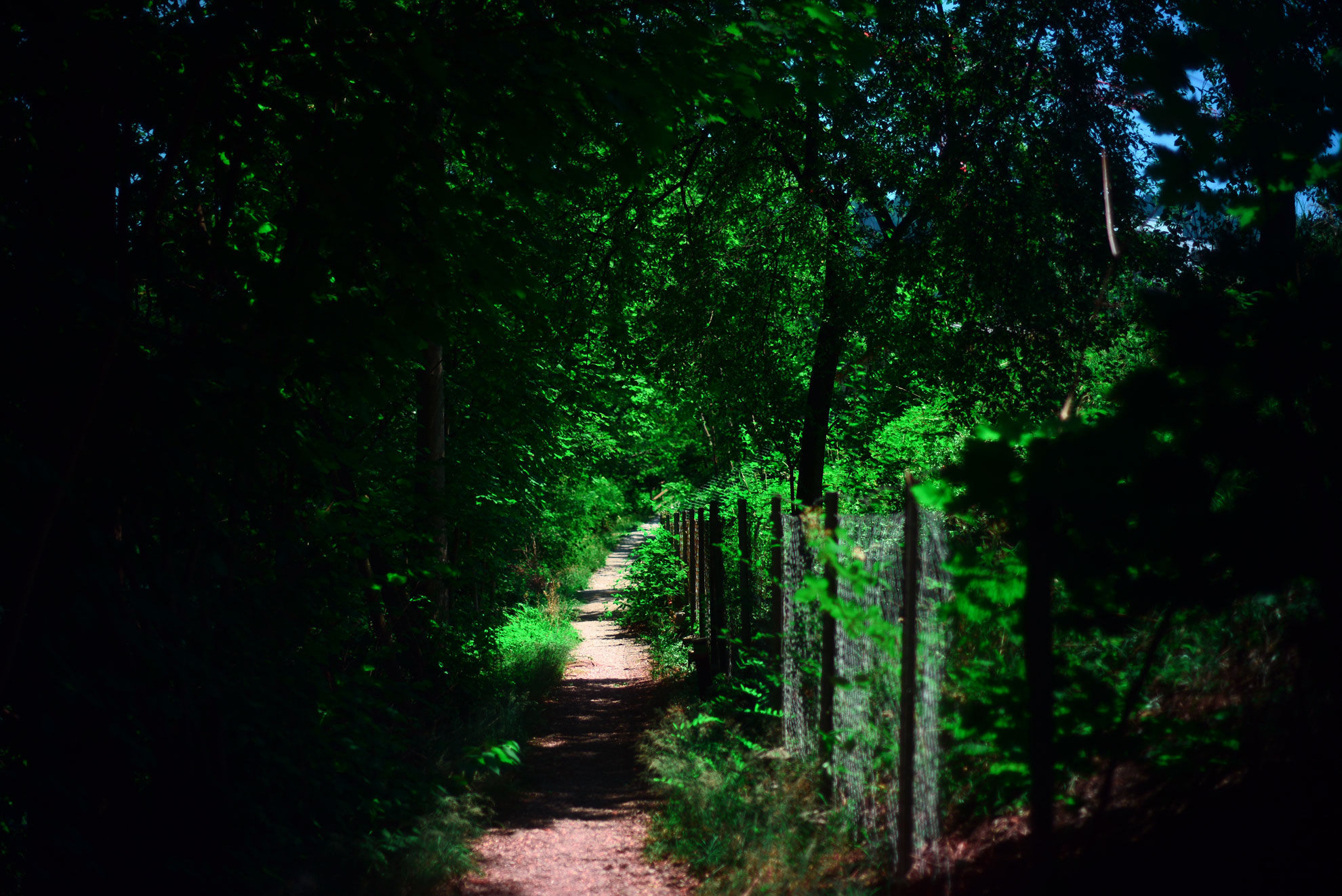
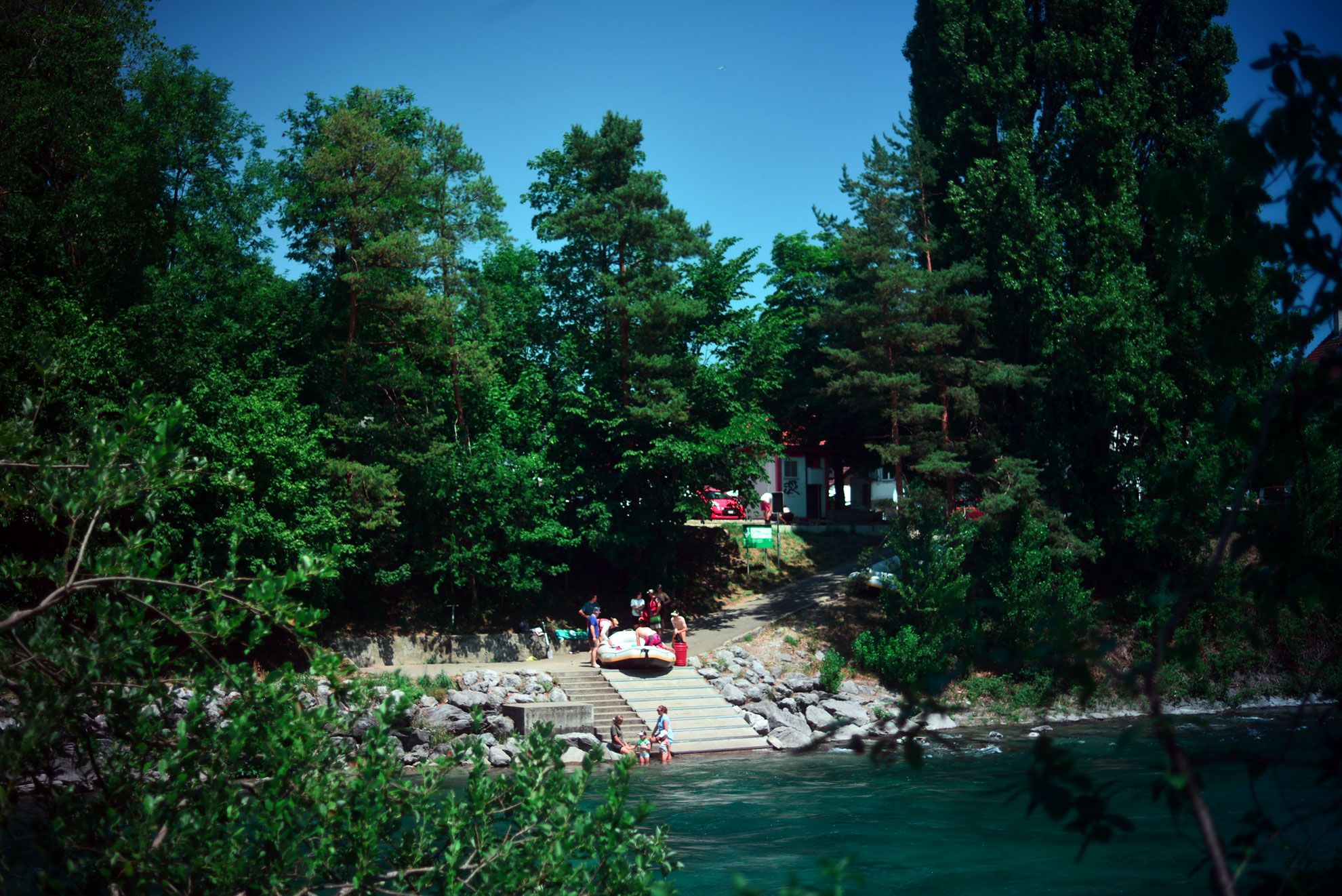

The effect is subtle but interesting. Midtones are reduced or appear less dominant, while the more distinct color regions gain extra presence and separation. In some ways, it reminds me of the look you can get from an Iridium filter or certain RGB-enhancing filters.
Green-yellow grass and foliage suddenly look intensely lush, almost as if it had been raining for weeks and everything is at peak health. Orange tones tend to shift slightly toward red, creating a richer and more saturated appearance. There’s a very pleasing visual character to it that’s difficult to describe.

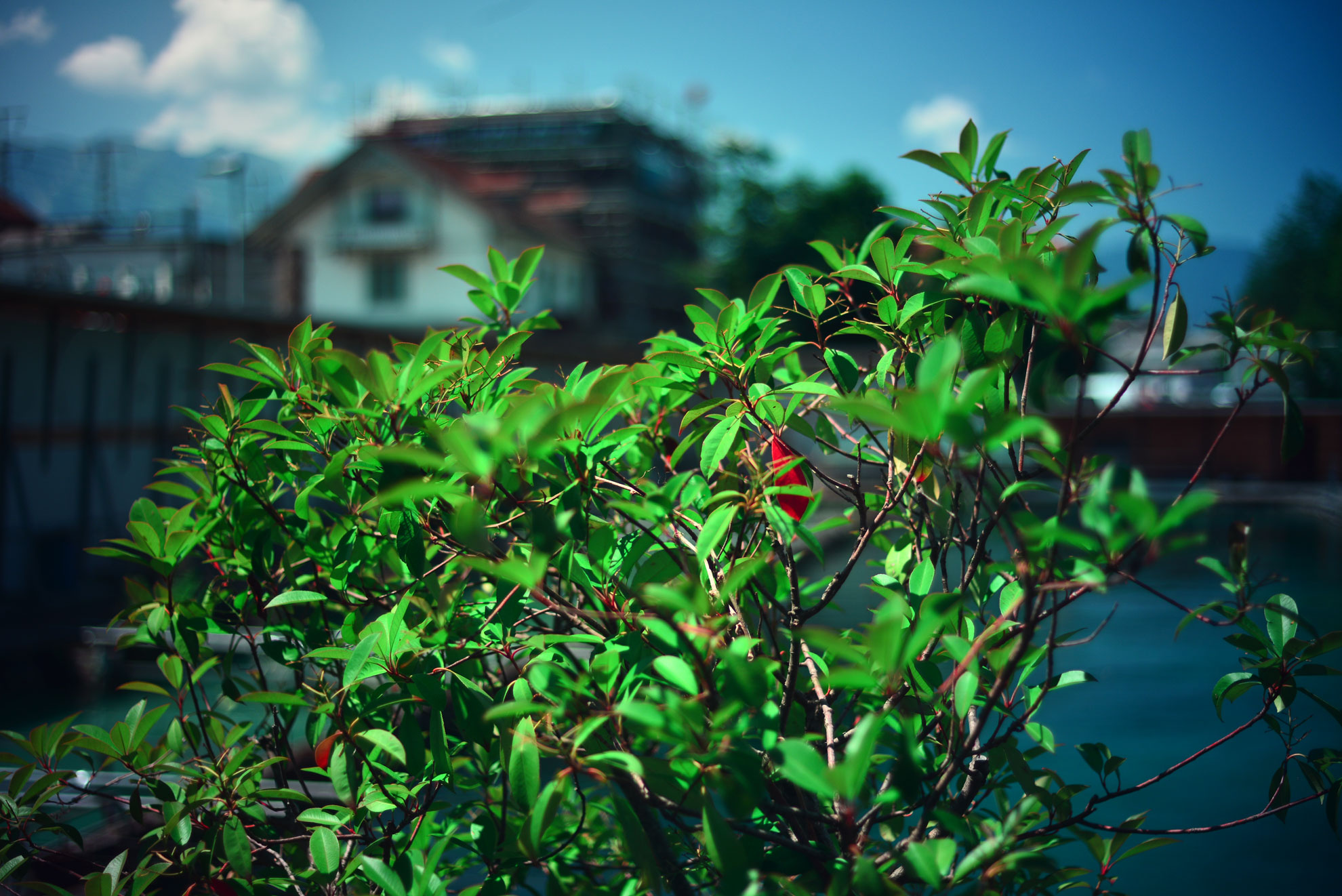
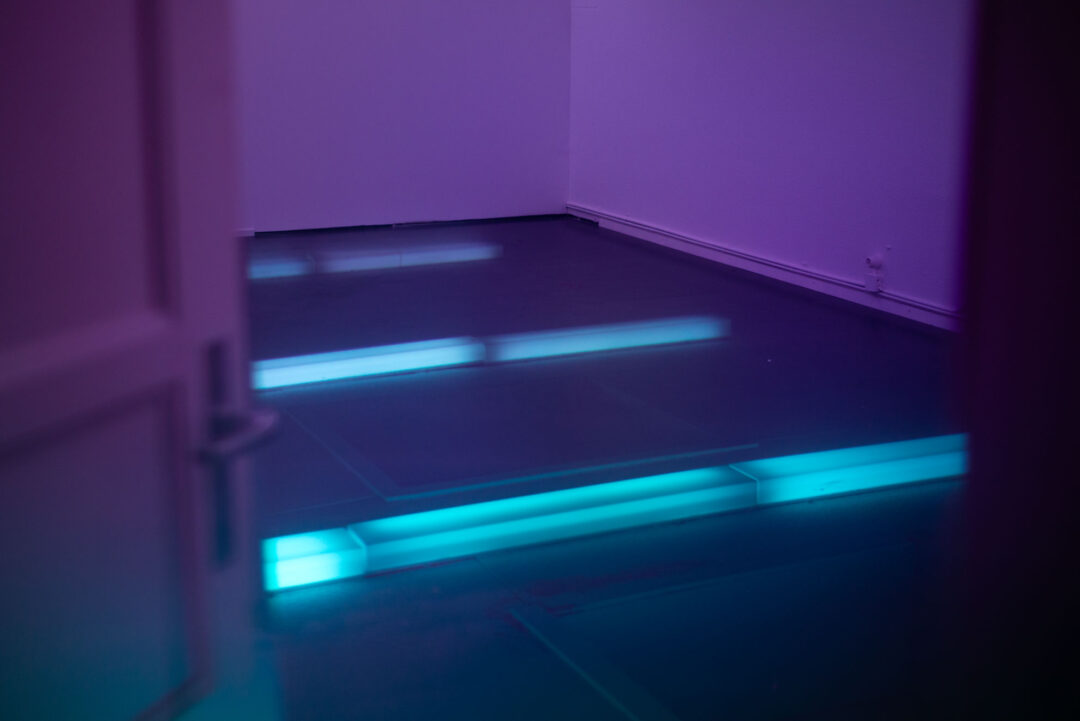
What really interests me, though, is how this filter will behave under artificial lighting, especially when combined with other filters.
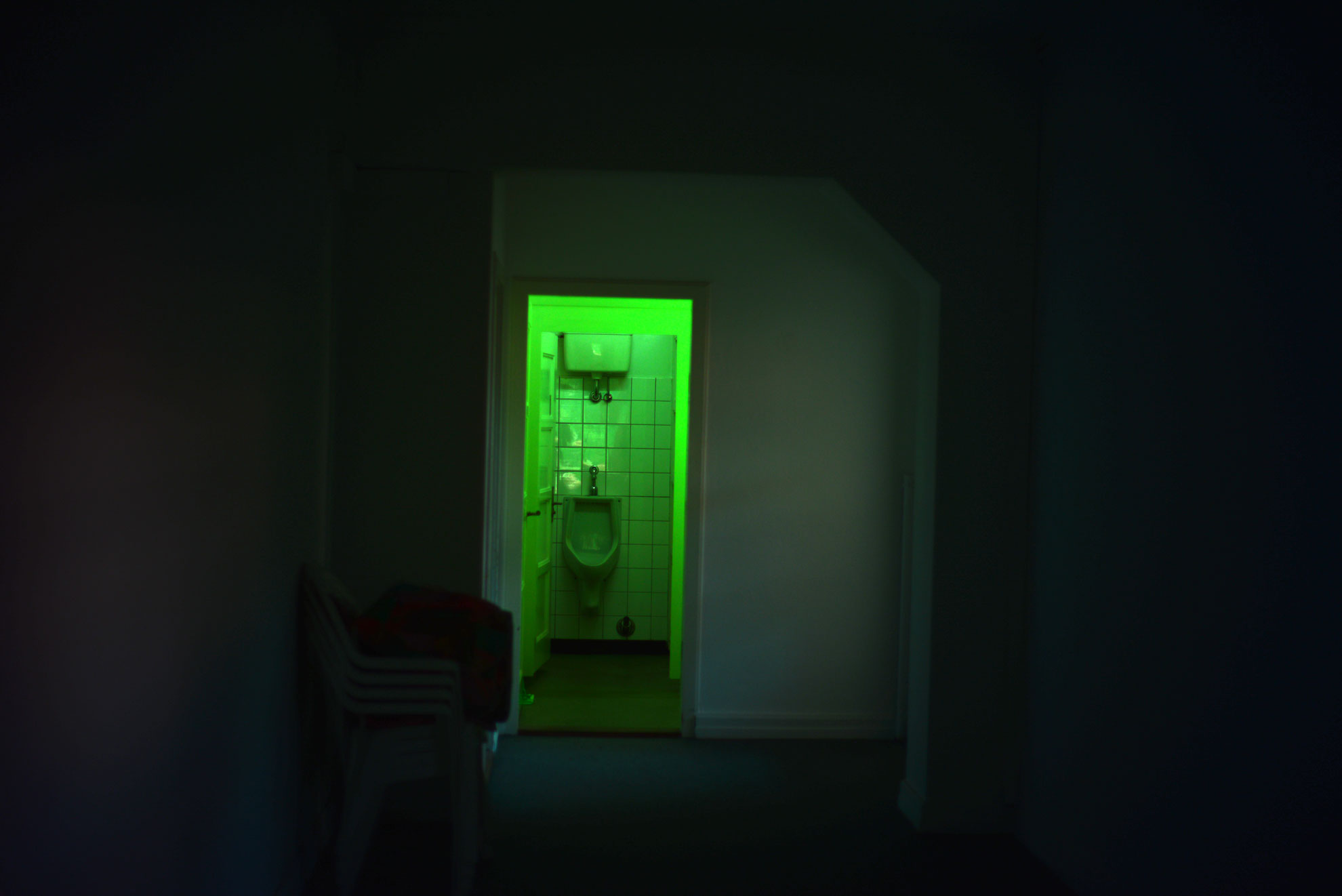
One early clue: when using a daylight white balance setting, most fluorescent-type lighting turns green.